Skip to the content

Australian Regenerative Medicine Institute - ARMI

The Australian Regenerative Medicine Institute is a $153 million medical research centre which officially opened in April 2009 at the Monash University Clayton campus.

Established through a joint venture between Monash University and the Victorian Government, the Institute will build on the University's existing strengths in biomedical research, and will support the critical infrastructure required to deliver the next generation of discoveries in regenerative medicine.

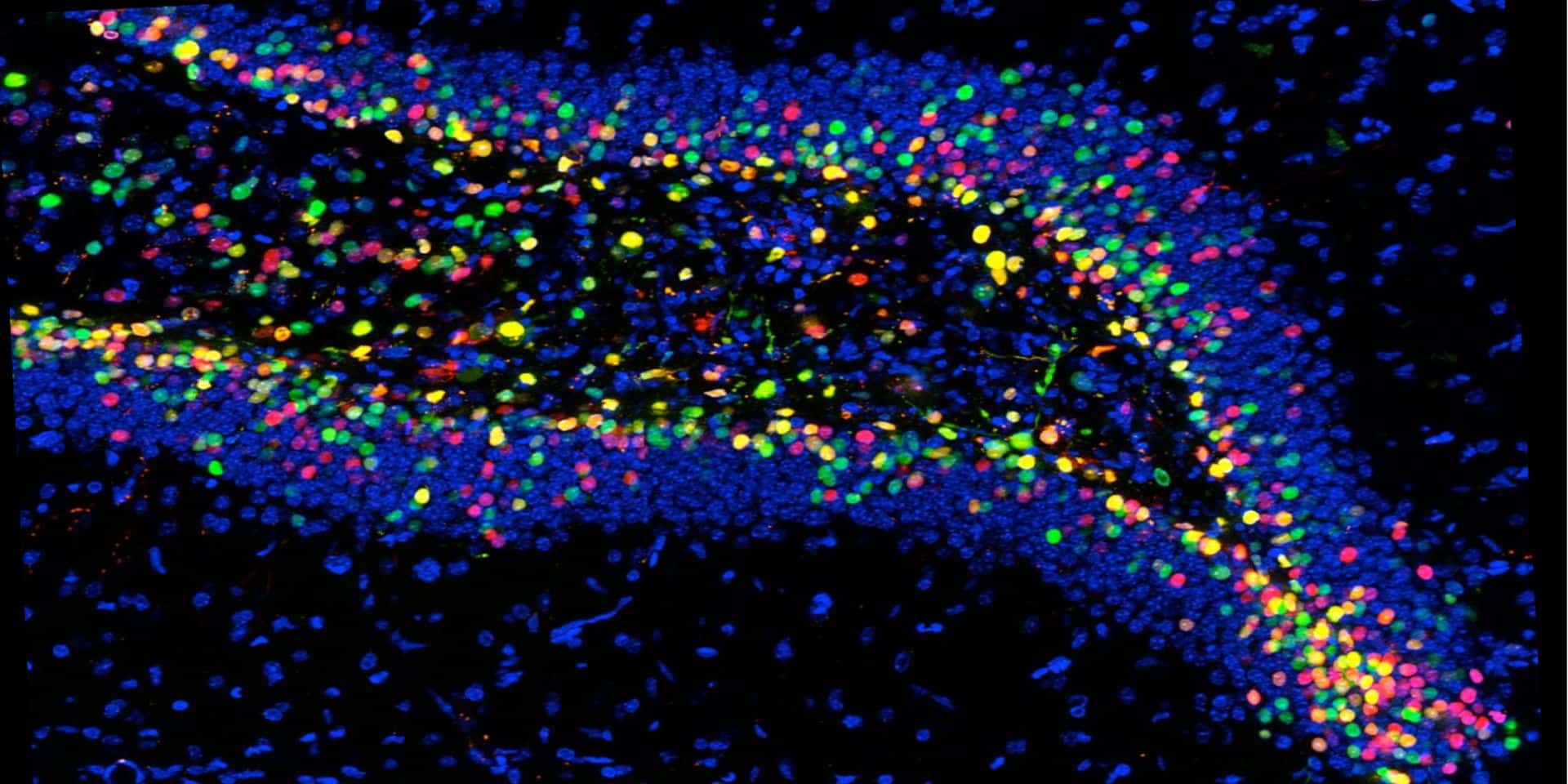
Regenerative medicine broadly refers to the repair or replacement of damaged human tissues and organs. It focuses on regaining the remarkable regenerative capacity of tissue that all people have before birth. This emerging field incorporates the use of cells, factors, and other biological building blocks, along with bioengineered materials and technologies.

At full capacity ARMI will be one of the world's largest regenerative medicine and stem cell research centres. Its scientists will focus on unraveling the basic mechanisms of the regenerative process, enabling doctors to prevent, halt and reverse damage to vital organs due to disease, injury or genetic conditions.

This work will form the basis of treatments for conditions such as neurodegenerative disorders, diabetes, arthritis, musculo-skeletal and cardiovascular diseases.

The Institute will integrate research in three key platforms: structural biology (molecular level), cell biology (cell level) and regenerative biology (organism level).

Working with multiple centres and disciplines at Monash University, ARMI will lay the groundwork for the development of future clinical applications, and will pursue rapid commercial transfer for its technologies.

ARMI's Aim

Finding effective treatment for a range of diseases by supporting research programs that develop our understanding of the basic mechanisms behind the regenerative process.


Professor Nadia Rosenthal

Australian Regenerative Medicine Institute Founding Director Professor Nadia Rosenthal